The Shops That Keep a Town Reading
Creaky floors, handwritten shelf-talkers, a cat asleep in the window — a love letter to the bookshops worth the detour.
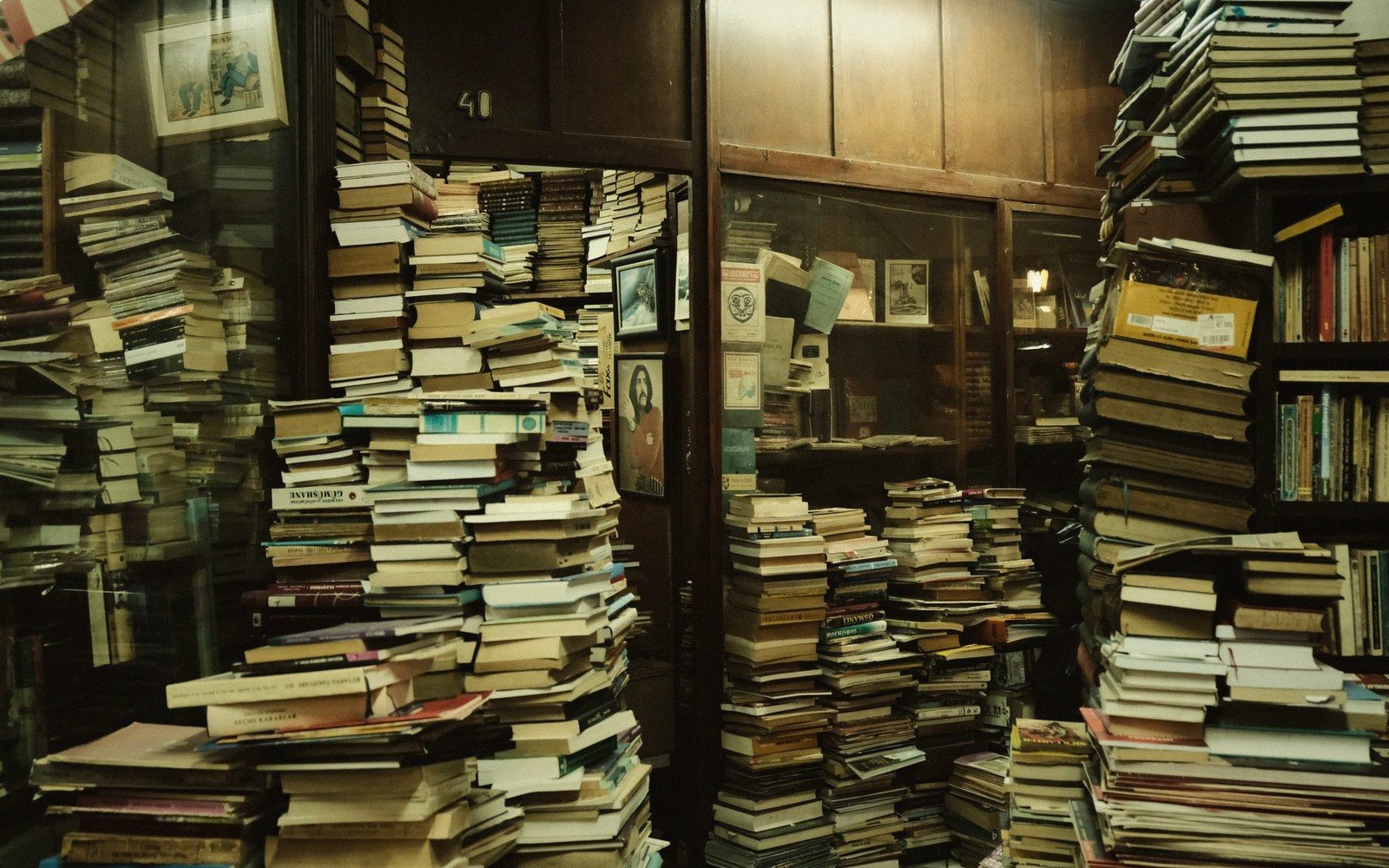
Creaky floors, handwritten shelf-talkers, a cat asleep in the window — a love letter to the bookshops worth the detour.
What a Chain Can't Manufacture
There's a particular feeling you get stepping into a good independent bookshop. It happens before you've even clocked a title. The door closes behind you, the street noise drops away, and the room does something quiet and deliberate to your nervous system. Call it atmosphere, call it curation, call it the specific smell of a building that has housed thousands of books for decades — whatever it is, no chain has ever quite managed to bottle it.
Creaky floors, handwritten shelf-talkers, a cat asleep in the window — a love letter to the bookshops worth the detour.
That's not a criticism of chain bookshops, which have their place and do enormous good for general reading culture. But independence produces something different: a shop with an actual point of view. Walk down the shelves and you're walking through someone's taste. The buyer who put Hilary Mantel face-out next to Umberto Eco is telling you something. The handwritten card beneath a copy of a Richard Powers novel that says "the best book I've read in five years — I mean it" is a tiny act of faith. Someone staked their name on it.
Shelf-talkers — those small, handwritten or typed recommendation cards tucked below or beside a book — are maybe the indie shop's most underrated feature. They're the shop made conversational. A good shelf-talker doesn't describe the plot; it tells you how the book felt. It says: I was up until two in the morning, or, this one takes a hundred pages to ignite and then it burns the house down. No algorithm replicates that, because no algorithm stayed up worrying about a character.
The Detour Is the Point
The best indie bookshops are rarely convenient. They're usually tucked down a side street, or on the kind of main road you'd only find yourself on if you'd specifically sought them out. This is, it turns out, an advantage. The detour primes you. By the time you push the door open, you've already signalled to yourself that this matters, that you've come here on purpose rather than drifting past on your way to something else. That intention changes how you browse.
Browsing, in the indie shop, is its own slow pleasure with its own particular rhythm. You don't arrive with a list and leave with the list ticked off. You arrive with a vague hunger and you follow it. You pull something from a shelf because the spine is a good colour. You read the first page standing up, put it back, then pick it up again ten minutes later from a different aisle. You end up at the counter with two books you had no idea you needed, and the bookseller says "you'll want to read the second one first" and you believe them immediately, because they've given no reason not to be trusted.
That trust is earned incrementally. It's built in the same way that a great local restaurant builds a following — slowly, personally, through consistency and genuine knowledge. The bookseller who steered you toward a quiet novel you loved unconditionally is the reason you came back. And then came back again.
Cats, Floors, and the Unrepeatable Interior
There's a whole iconography of the beloved indie bookshop. Creaky floorboards worn into a particular path from door to till. A cat — almost inevitably — in the window or wedged between two shelves, treating the whole enterprise with complete indifference. Postcards pinned near the register. A reading group notice slightly obscured by a stack of recent arrivals. These details are not affectations. They accumulate naturally in any space that's been genuinely inhabited and genuinely loved over time.
What the indie bookshop does, by existing and persisting, is keep a community's reading life visible to itself. When you see your neighbour at the new-arrivals table, or overhear a conversation about whether Toni Morrison or Charlotte Brontë is the better starting point for a teenager, you're reminded that reading isn't a solitary eccentricity. It's something the town does together, even if it does it separately, each person in their own armchair, in their own pool of light.
The best shops know this and lean into it. Events — author readings, book-club nights, themed displays — are part of how they make themselves irreplaceable. Not just a place to buy a book, but a place where the conversation around books actually happens. The small, unglamorous, irreplaceable work of keeping a literary culture alive at street level.
Worth the Journey
Whatever draws you to your favourite indie — the owner who always has an opinion, the section of local history shoved into a back corner, the cat, the floor, the smell — it's worth naming out loud. It's worth going back. These shops run on small margins and enormous commitment. They stay open because enough people decide, again and again, that the detour is worth it.
The creaky floor doesn't creak because the building is falling apart. It creaks because it's been walked a thousand times by people looking for the next book that will matter to them. That floor is evidence. So is the shelf-talker, the recommendation, the dog-eared stock copy the bookseller has pressed into fifty pairs of hands. The whole shop is an argument, made daily and without fanfare, that reading is worth protecting — and that the places where it happens deserve protecting too.
The writers
Hilary Mantel (person)
Author
British novelist, author of the Wolf Hall trilogy
Umberto Eco (person)
Author
Italian novelist and essayist, author of The Name of the Rose
Richard Powers (person)
Author
American novelist known for ambitious, idea-driven fiction
Toni Morrison (person)
Author
American novelist, Nobel laureate