Making Peace with the TBR Pile
Your to-be-read stack isn't a debt — a kinder way to think about all those books you haven't got to yet.
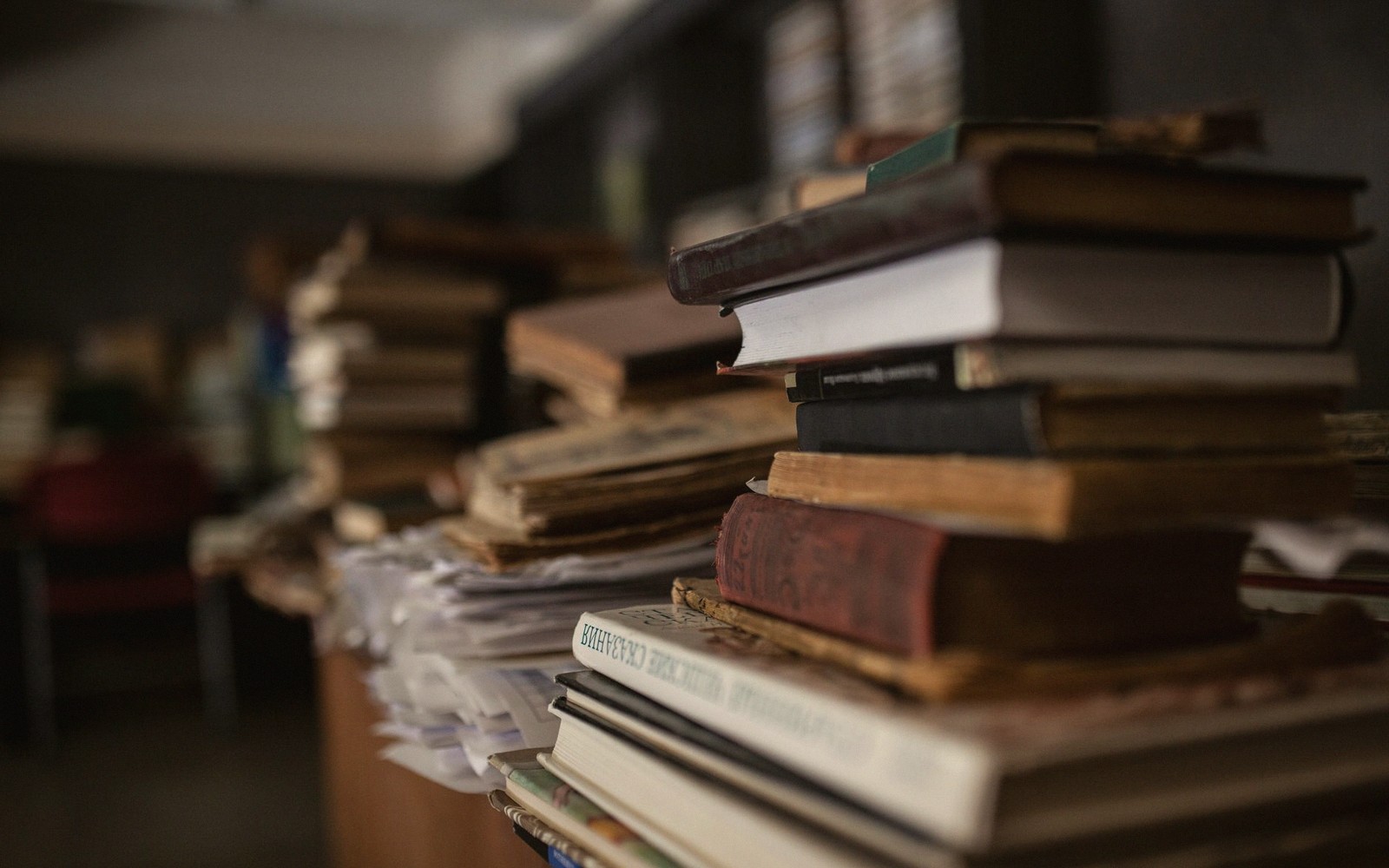
Your unread books aren't a to-do list you're failing — they're something better.
The Pile Is Not a Debt
Somewhere between buying the fifth book in a week and watching the stack tilt dangerously on the nightstand, the TBR pile stops feeling like possibility and starts feeling like obligation. You've added Min Jin Lee's Pachinko, Hilary Mantel's Wolf Hall, and at least three others someone pressed on you with great urgency — and now they sit there, silently judging.
Your unread books aren't a to-do list you're failing — they're something better.
They're not. That's the reframe worth making.
A to-be-read pile is an act of optimism. Every book you add is a small bet on your future self — that she'll have a rainy afternoon free, that he'll want exactly this novel in exactly that mood. The books aren't accumulating as evidence of failure. They're accumulating as evidence that you're someone who finds the world interesting.
Stop Counting, Start Choosing
The habit that makes a TBR pile feel oppressive is treating it like a queue. Read in order of acquisition, clear the backlog, tick the titles off. This is a terrible way to read. Books have moods. Reading A Little Life by Hanya Yanagihara when you're already exhausted is a different experience from reading it when you have reserves. Forcing yourself through a novel because it's been on the shelf longest is how good books get unfairly resented.
The better approach is to treat the pile as a menu, not a list. On any given evening, you're not failing the other books by choosing one — you're choosing the right book for right now. That's the whole skill. Reading lists by mood exist precisely because no single stack suits every state of mind.
Give Yourself Permission to Abandon
The other thing that cracks a TBR pile open is releasing the finish-what-you-start rule. Life is short. Umberto Eco reportedly kept thousands of unread books and called them an anti-library — a record of what he didn't yet know. The unread books weren't a shame, they were the whole point: a map of remaining curiosity.
You won't read everything on your pile. You weren't supposed to. Some books will age out of your interest, and that's fine — pass them on. Some will wait years and then suddenly be exactly right, and that's better. The pile is not a commitment you made; it's a collection you're curating.
So let the stack be tall. Let it migrate from room to room. Add to it shamelessly. The only real rule is to pick the next book because you want it, not because you owe it.
That's not falling behind. That's reading well.
The writers
Min Jin Lee
Author
author of Pachinko, multigenerational saga set in Korea and Japan
Hilary Mantel
Author
British novelist, author of the Wolf Hall trilogy
Hanya Yanagihara
Author
American author of A Little Life
Umberto Eco
Author
Italian novelist and scholar, known for large personal library