How to Build a Reading List That Sticks
A reading list you'll actually finish — how to pick, pace and mix so the pile doesn't just guilt you.
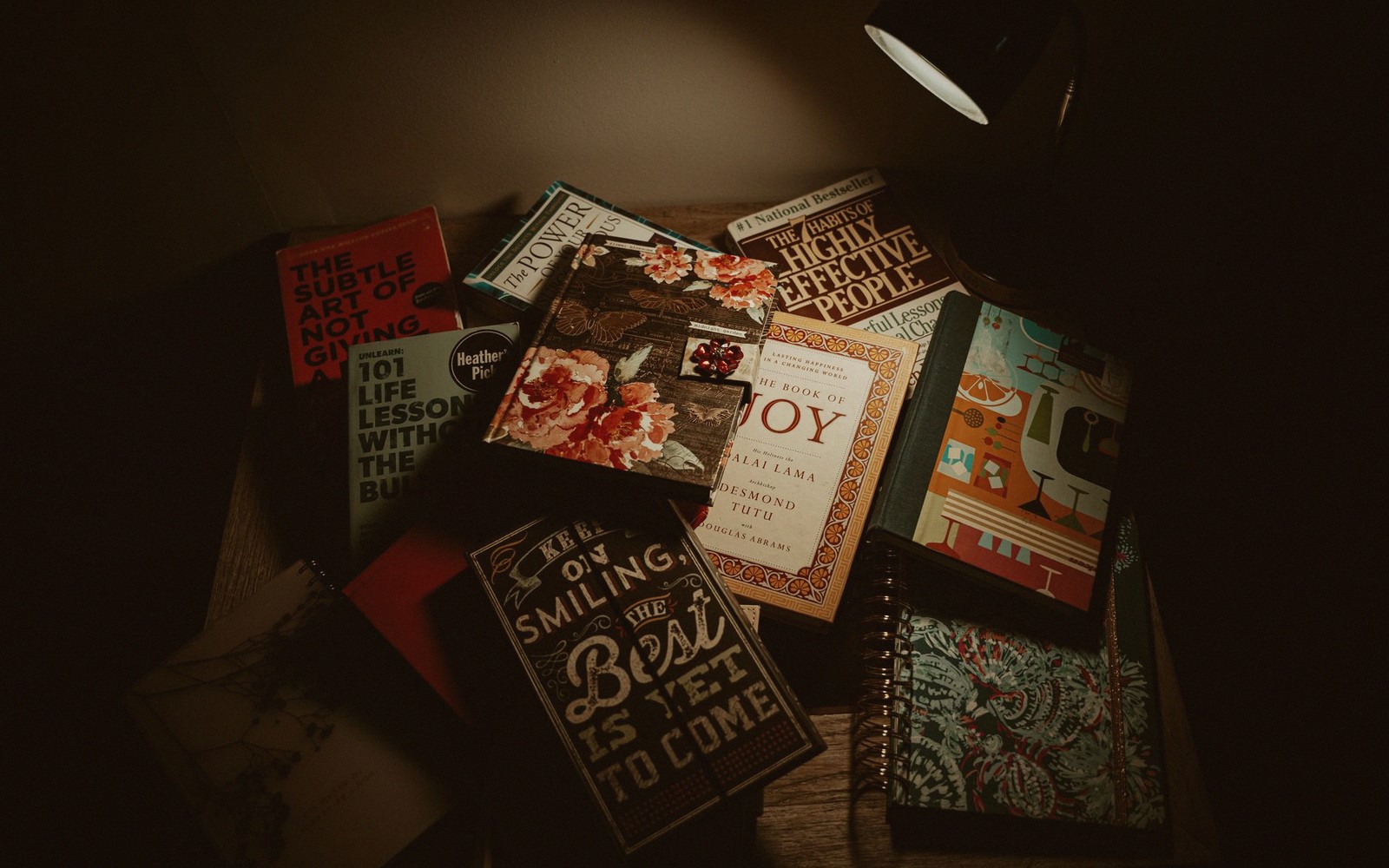
A reading list you'll actually finish — how to pick, pace and mix so the pile doesn't become another source of guilt.
Keep It Short and Honest
The first mistake most readers make is listing everything they want to read. Thirty books sounds ambitious; it mostly just feels like homework. A working reading list — one you'll actually follow — lives in single digits. Six to eight titles is enough to give you direction without the creeping dread of a stack you'll never summit.
A reading list you'll actually finish — how to pick, pace and mix so the pile doesn't become another source of guilt.
The second mistake is listing books you think you should read rather than books you genuinely want to read right now. Hilary Mantel's Wolf Hall is a masterpiece; if you're not in the right mood for it today, it will sit on the list until you stop believing in the list entirely. Be honest with yourself about what you're hungry for.
Mix the Texture
A list of only doorstoppers — Hanya Yanagihara's A Little Life, say, or Umberto Eco's The Name of the Rose — will stall in the middle and guilt you whenever you glance at it. The fix is simple: alternate heavy and light. Pair a long, demanding novel with something shorter and more propulsive. Follow a rich historical read with a quick contemporary one. Think of it less as a ladder to climb and more as a playlist to shuffle.
One practical structure that works well: one big ambitious book, two mid-length novels, one reread, one nonfiction or genre switch. That fifth slot — the reading lists by mood principle, essentially — keeps things fresh when you've been living inside the same fictional world for weeks.
Leave the Back Door Open
The best reading lists have a little give in them. Keep one or two slots unassigned, so a word-of-mouth recommendation or a rainy-Saturday impulse buy can slot in without the whole list collapsing. Rigidity is what kills reading momentum; flex is what keeps it going.
Finally, don't hoard. When a book isn't working after fifty pages, set it down. A list that lets you quit freely turns out to be the list you trust — and a list you trust is the one you keep picking up. The goal isn't completion; it's the next good read.
The writers
Hilary Mantel (person)
Author
Booker Prize-winning author of the Wolf Hall trilogy
Hanya Yanagihara (person)
Author
author of A Little Life
Umberto Eco (person)
Author
Italian novelist and semiotician, author of The Name of the Rose