Reading Habits & Rituals That Actually Work
How real readers fit books into busy lives — the habits that stick, and the ones worth dropping.
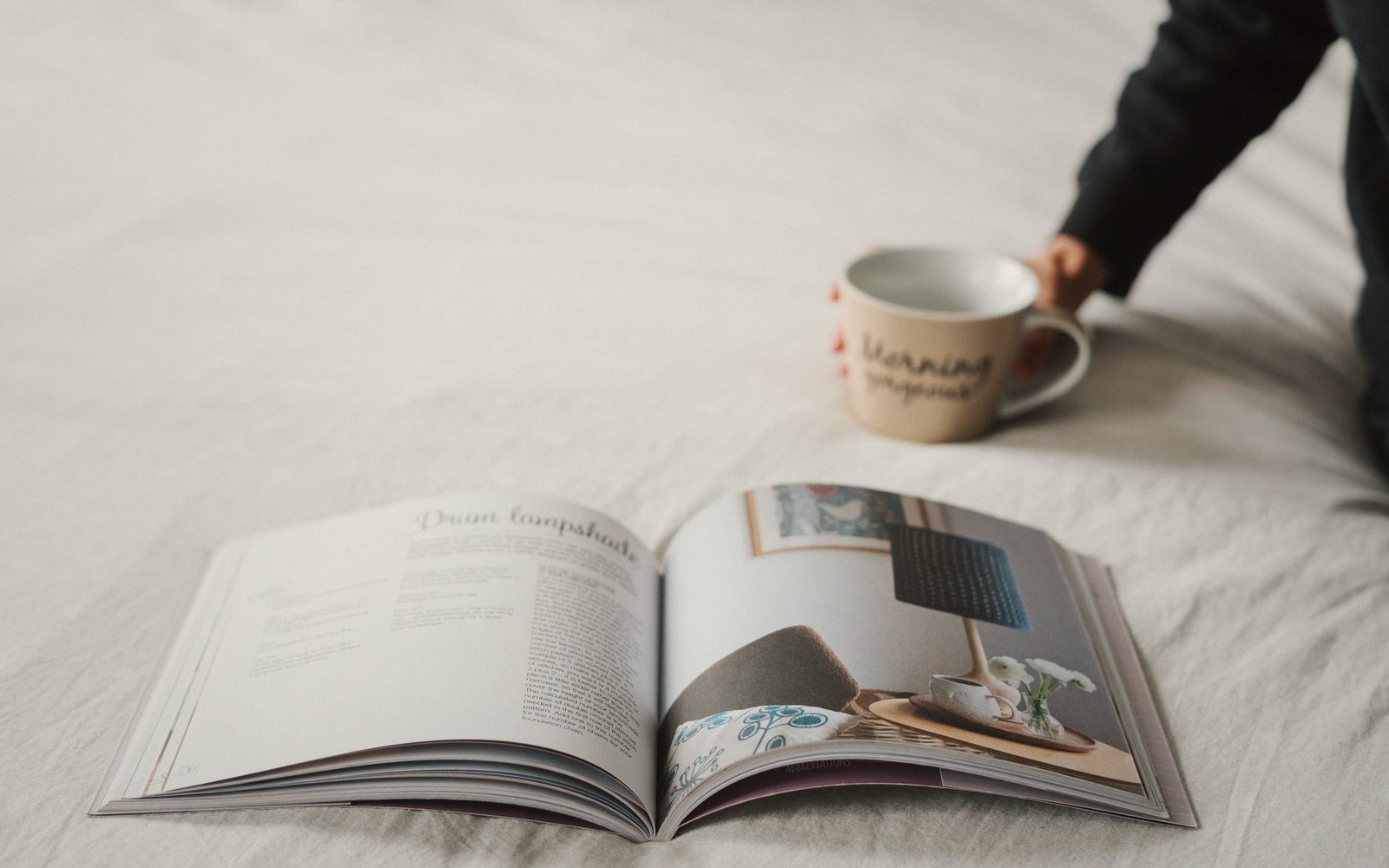
The tricks that stick are almost always smaller than you think.
Make the Book Easy to Reach
The single most reliable reading habit isn't a schedule or a timer — it's placement. A book left on the kitchen table, the bathroom shelf, or the arm of the sofa gets read. A book tidied away to a bedroom pile gets forgotten until you feel guilty about it. This sounds almost insultingly simple, but readers who've kept the same ritual for decades will usually tell you some version of it: reduce the friction between yourself and the page.
The tricks that stick are almost always smaller than you think.
The same logic applies to always having something with you. A paperback in a bag, a phone loaded with an ebook — the ten minutes between things adds up over a week in a way that one dedicated "reading hour" often doesn't. Commutes, queues, the gap before an appointment: these are reading minutes hiding in plain sight.
Drop the Habits That Don't Fit Your Life
A lot of reading advice centres on morning routines — the idea that disciplined readers rise early and reach immediately for a book. Some people genuinely do this and love it. Many do not, and the guilt of not doing it crowds out the actual reading. The habit that works is the one that maps onto how your days actually run, not how you think they should run.
Finishing every book you start is another one worth questioning. Abandoning a book that isn't working is not a failure; it's a form of editorial taste. The reader who quits three duds a year and replaces them with three books they'll love is reading better, not worse. Toni Morrison and Umberto Eco both wrote novels that make serious demands of a reader — and those demands are worth meeting when you're in the right frame of mind, not forced.
The same goes for reading widely across genres rather than sticking to one. If a steady diet of literary fiction is what fills your tank — great. If you need to mix things up across genres to stay interested — equally great. Habit sticks when it feels like a pleasure, not a curriculum.
The Small Rituals That Make It Real
Where routine tips into ritual is where reading habits start to feel genuinely yours. Some readers make tea. Some light the same candle. Some re-read the last paragraph of the previous session before starting fresh — a private re-entry into the world of the book. These gestures matter less for any mystical reason than because they signal, reliably, that reading time has started. The brain responds to cues.
A word for the readers who swear by re-reading: you're not wasting time. Going back to a novel you already know — a Hilary Mantel, a Kurt Vonnegut, a Charlotte Brontë — is its own kind of reading, and often a richer one. Familiarity frees attention; you notice structure, voice and detail you missed the first time through.
Finally, tracking what you read — whether in a notebook, a spreadsheet, an app — tends to increase reading for a simple reason: it makes reading feel like something you're doing, not just something that happens to you. Even a rough list kept in the notes app on your phone will do. You don't need a system. You need a record.
The habits that actually last look less like discipline and more like small, repeated pleasures. Get the book into arm's reach. Read in the pockets of your actual day. Quit what isn't working. Make the ritual small enough that skipping one night doesn't break it. That's mostly all there is to it — and it turns out to be plenty.