Nonfiction That Reads Like a Novel
True stories with the pull of fiction — narrative nonfiction that you won't want to put down.
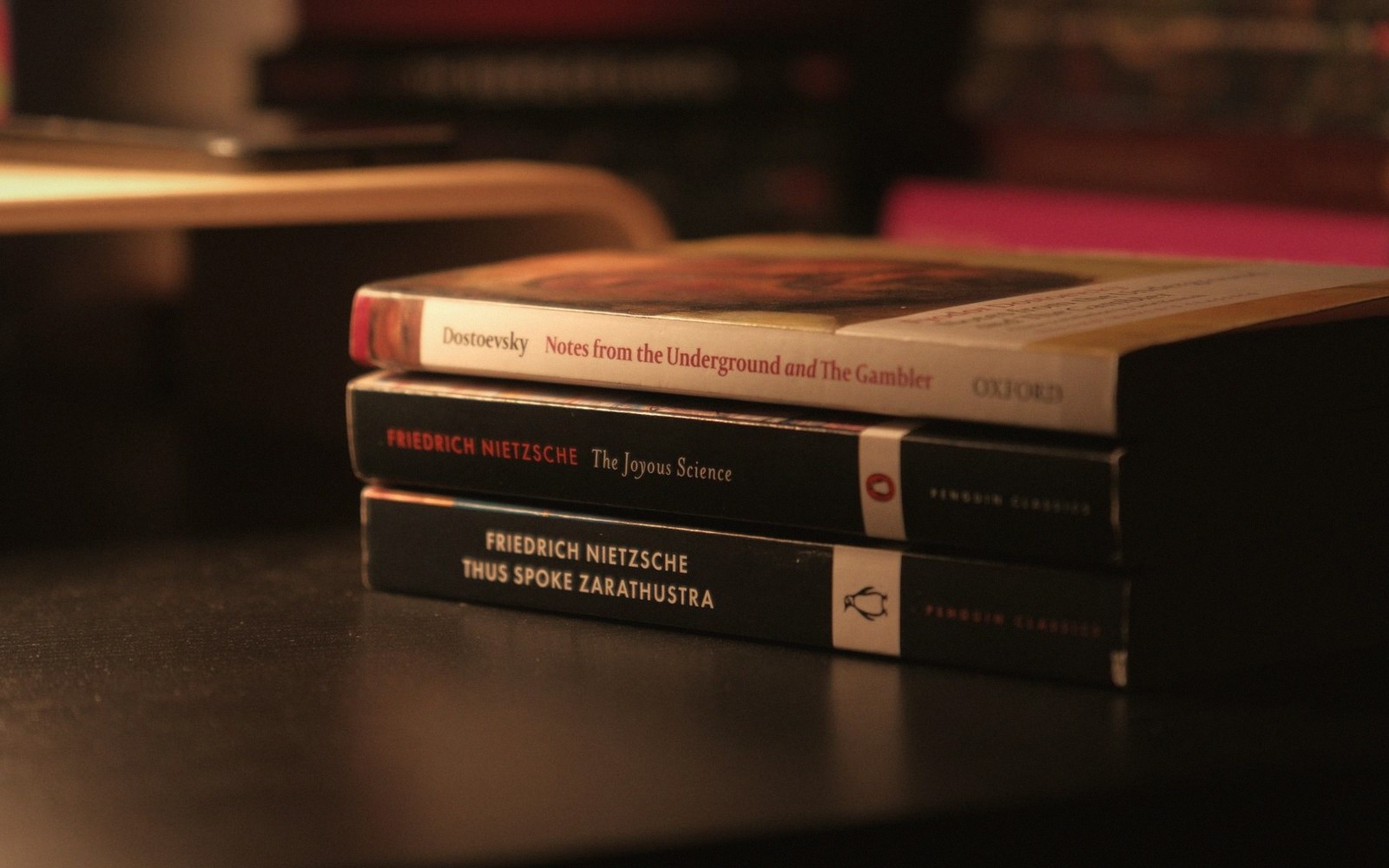
True stories shouldn't feel like homework — the best narrative nonfiction has all the pull of fiction, and the added punch of being real.
The Line Between True and Told
There's a particular pleasure in reaching the last page of a book, dazed and slightly bereft, only to remember that every word of it actually happened. Narrative nonfiction — the kind built on deep research, immersive scene-setting and a writer's eye for character — has been quietly stealing readers from the fiction shelves for decades. It uses all the novelist's tools: tension, pacing, a point of view you trust, an ending you can't see coming. The difference is that the stakes were real.
It uses all the novelist's tools: tension, pacing, a point of view you trust, an ending you can't see coming.
The form has a broad church. At one end sits the long-form investigative book, built from interviews and documents and shaped into something with the propulsive logic of a thriller. At the other, the lyric memoir or personal essay collection, where the structure bends and loops like literary fiction, and the prose is the whole point. In between sits almost everything: history told through a single human life, science explained through obsession and accident, place writing that reads more like a novel of landscape than a travel guide.
Where to Start
For readers crossing over from fiction, a few qualities are worth looking for. Voice is the first: the best narrative nonfiction has a narrator whose perspective feels as vivid and individual as any invented character. A strong throughline matters too — a central question the book is racing to answer, or a life it's determined to fully inhabit.
Richard Powers has made a career of writing literary fiction that thinks with the depth of nonfiction — but the inverse exists just as richly. Writers like Sebastian Junger, John McPhee and Rebecca Skloot have produced books that feel as propulsive and emotionally complete as any novel, and whose research is quietly invisible: you don't feel the homework, only the story.
Erik Larson is perhaps the most consistent practitioner of the form, weaving documented history into scenes of almost cinematic immediacy. His books layer parallel narratives — one building toward catastrophe, one toward something else entirely — with a structural patience that would satisfy any Hilary Mantel admirer. Speaking of which: Mantel's own non-fiction writing shows the same meticulous inhabiting of the historical record that made her fiction so formidable. The line, in her hands, was always more permeable than it seemed.
For those drawn to the literary end of memoir, the tradition runs deep. James Baldwin's essays move with the urgency and musicality of the best fiction; Annie Dillard's nature writing aspires openly to something more like poetry. These are books that reward re-reading the way a novel does, where sentences do more than carry information.
The Added Punch of True
What separates great narrative nonfiction from great fiction isn't craft — the tools are largely shared — it's the extra weight of the real. When you know that the person on the page actually said those words, made that choice, survived or didn't, the emotional register shifts. Toni Morrison once described the power of a story rooted in history as something that demands you reckon with it rather than merely consume it. That reckoning is what the best nonfiction forces.
For readers who find themselves slowing down mid-novel and wondering why stakes feel thin, narrative nonfiction often solves the problem without them realising it. The stakes are already there, baked in. The world made the plot. The writer just had to find it, and find the form to hold it.
A good place to begin: pick a subject you already care about, then find the book that treats it as story rather than report. Once you've read one nonfiction book that kept you up past midnight, you'll know exactly where to look next.
The writers
Richard Powers
Author
American novelist known for fiction dense with scientific and natural research
Hilary Mantel
Author
British novelist, particularly known for her meticulously researched historical fiction
Toni Morrison
Author
American Nobel laureate novelist and essayist
Erik Larson
Author
American author known for narrative nonfiction blending historical research with novelistic technique