Sci-Fi & Fantasy: Gateway Books
The books that turn 'I don't really read fantasy' into a new favourite genre — where to begin without the lore overload.
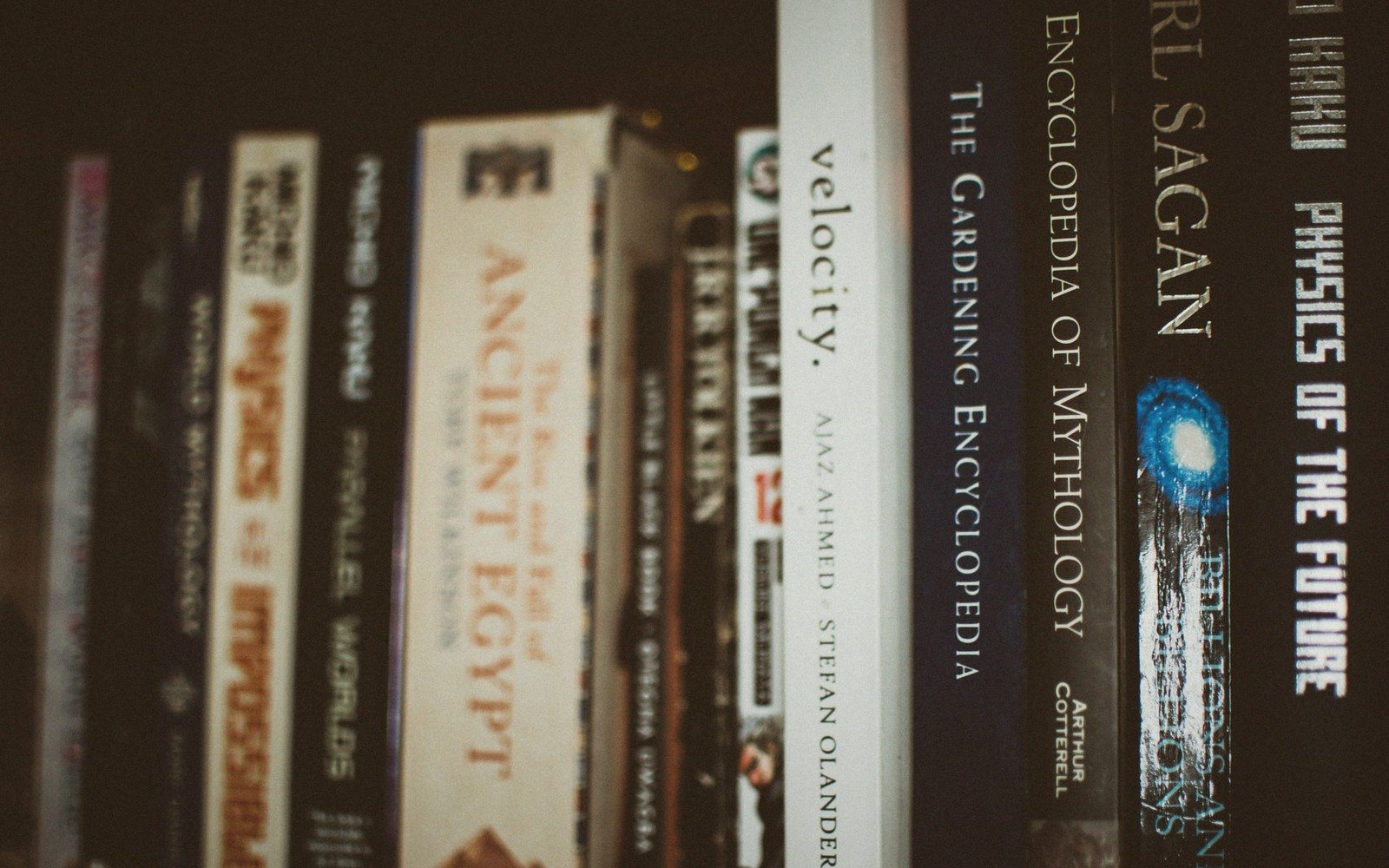
The books that turn "I don't really read fantasy" readers into converts — where to begin without the lore overload.
The Myth of the Steep Learning Curve
There's a persistent idea that science fiction and fantasy demand homework. That before you can enjoy them, you need to memorise a glossary of invented languages, keep track of seventeen noble houses, or accept a prologue longer than most novellas. It's understandable — some of the genre's most beloved landmarks genuinely are immersive, encyclopaedic worlds. But those are not the right starting point.
The books that turn "I don't really read fantasy" readers into converts — where to begin without the lore overload.
The best gateway books do something subtler: they use the tools of the fantastical to illuminate something urgently human. They're novels first, world-building second. If you've loved literary fiction that's emotionally precise, or historical fiction that pulls you into another time, there's a version of this genre already shaped for you — you just haven't found it yet.
Start Here: Six Books That Open Doors
Piranesi by Susanna Clarke is arguably the perfect entry. At around three hundred pages, it gives you a world that is genuinely strange — a vast, tidal house full of statues and echoing halls — but narrated with such intimate, unnerving warmth that the strangeness feels like invitation rather than obstacle. There is no army of characters to track, no ancient prophecy to decode. There is one narrator, one mystery, and a mounting sense of wonder that accumulates like the tides. Clarke's novel has converted more sceptics than almost any other book of the last decade.
Circe by Madeline Miller works similarly. You know the rough shape of the Greek myths — or even if you don't, it hardly matters. Miller takes a minor figure from Homer and hands her the whole story: a slow, searching novel about power, loneliness and the strange cost of immortality. It reads with the quiet intensity of the best literary fiction, which is partly why it crossed over so completely.
For readers drawn to questions of society and free will rather than magic, Brave New World by Aldous Huxley is a gateway that has been quietly working for the better part of a century. The world Huxley builds is persuasively horrible, but it's the ideas that stay with you — the novel forces you to ask what you'd actually give up for comfort, and what you'd fight to keep. It's short, sharp and completely unsentimental.
Kurt Vonnegut's Slaughterhouse-Five is another one that earns trust through voice. It's science fiction in its bones — time travel, alien abduction, the unstuck-in-time logic of trauma — but it's so funny, so rueful, so nakedly personal that readers who'd never touch genre fiction tend to finish it in two sittings. Vonnegut never asks you to suspend your disbelief; he asks you to feel.
The Name of the Rose by Umberto Eco is, on the surface, a medieval murder mystery set in an Italian abbey. Underneath, it's an intricate puzzle about knowledge, faith and the power of books themselves. The speculative element is subtle — the world is historical rather than invented — but it demands exactly the same pleasures as great fantasy: close attention, a willingness to live inside a strange place, a reader alert to the significance of small details. If you've been told you'd love Eco but never known where to start, this is the one.
Finally, for the reader who loved sweeping family sagas — who found themselves lost in Pachinko or A Little Life — The Left Hand of Darkness by Ursula K. Le Guin offers the same emotional scale inside a science-fiction frame. Le Guin, who reshaped how the genre understood gender and society, tells the story of a human envoy on a world where the inhabitants have no fixed sex. What she's actually writing about is how we perceive the people we think we know. It's the kind of novel that changes how you see the real world, which is exactly what the best speculative fiction does.
How to Keep Going
The mistake new readers make after a strong gateway book is reaching straight for the longest, most systemically complex thing the genre has to offer, then burning out on three hundred pages of map-appendix. Resist that pull. Follow the thread of what worked in the book you loved.
If Circe gave you the itch for myth-infused storytelling, Madeline Miller's earlier The Song of Achilles is right there waiting. If Piranesi hooked you on intimate, puzzle-box worlds, there's a wide seam of literary fantasy running from Angela Carter to Kelly Link to Kazuo Ishiguro that will reward you. If it was Vonnegut's voice that got you — irreverent, grief-laced, morally restless — Douglas Adams and Terry Pratchett are obvious companions, and neither of them will ask you to do homework.
Genre-hopping is genuinely one of the great pleasures of a reading life, and mixing genres keeps your reading year alive in a way that sticking to one shelf rarely does. Science fiction and fantasy at their best aren't escapes from seriousness — they're the genres that sometimes get at the serious things most directly, because they can approach them from an angle that realistic fiction can't. Find the right door in, and it stays open.
The writers
Susanna Clarke
Author
British author of Piranesi and Jonathan Strange & Mr Norrell
Madeline Miller
Author
American author of Circe and The Song of Achilles
Aldous Huxley
Author
British novelist, author of Brave New World (1932)
Kurt Vonnegut
Author
American novelist, author of Slaughterhouse-Five (1969)