Comfort Re-Reads Worth Returning To
The books we go back to when the world is loud — why re-reading is its own pleasure, and where to start.
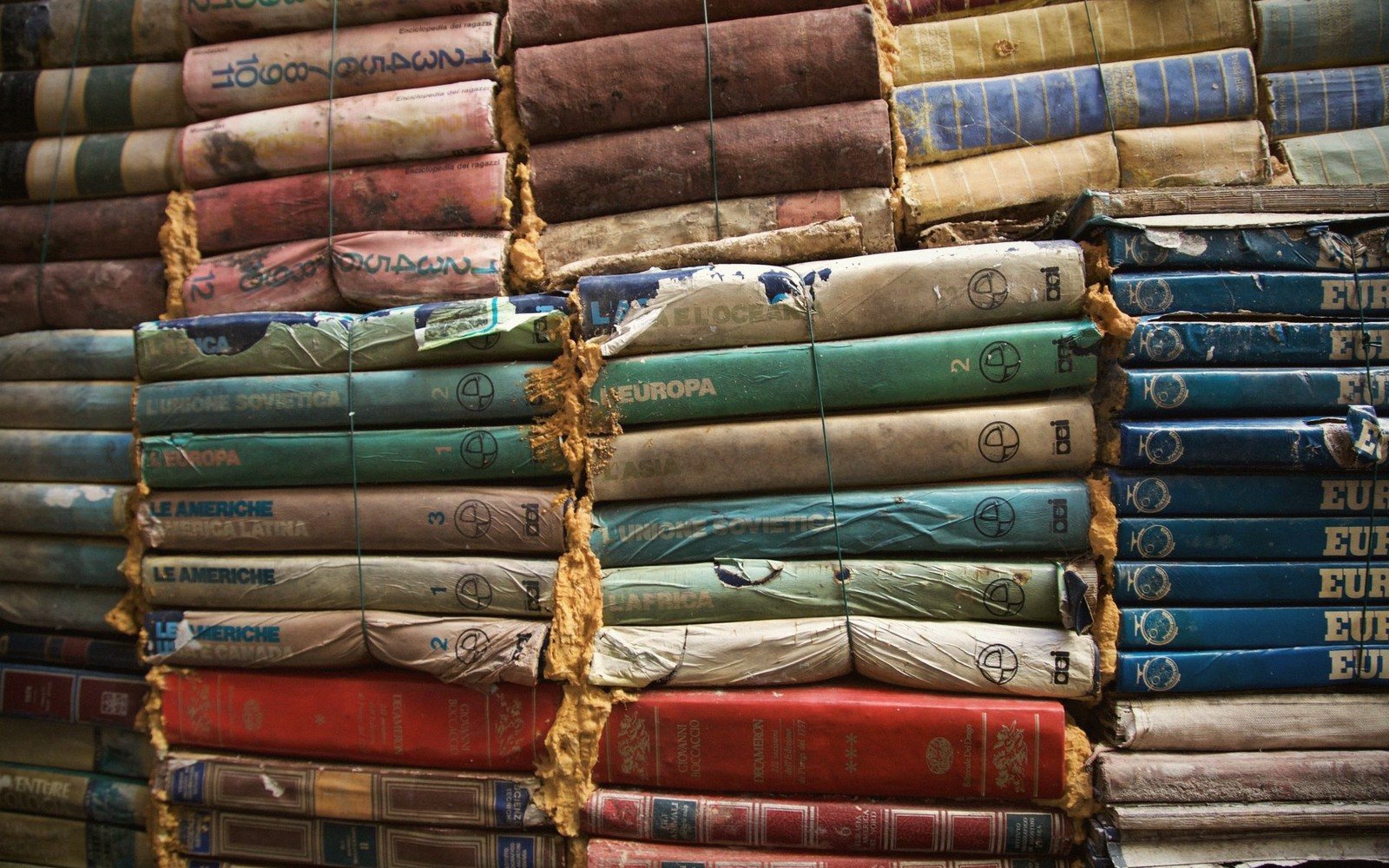
The books we go back to when the world is loud — and why revisiting an old favourite is its own distinct pleasure.
The Case for Going Back
There's a particular relief in opening a book you already love. You're not hunting for the plot; you know where it goes. Instead, you settle into the prose like a familiar chair, noticing things you missed the first time — a repeated image, a line of foreshadowing that glitters only in hindsight. Re-reading isn't the lazy option. It's often the more attentive one.
The books we go back to when the world is loud — and why revisiting an old favourite is its own distinct pleasure.
The books that survive the return visit tend to have something structural going for them: a voice so distinctive it's company in itself, or a world so fully realised that re-entry feels genuinely spatial. Susanna Clarke's Piranesi is one of those. Its narrator's quiet wonder doesn't diminish when you know the truth he doesn't — it deepens. The novel rewards rereading in a way that few puzzle-boxes manage.
A Short List Worth Bookmarking
For comfort, you want texture over surprise, warmth over shock. Here are a handful of novels that deliver precisely that on the second, third, or fifth visit.
Charlotte Brontë's Jane Eyre holds up because Jane herself holds up — stubborn, clear-eyed, entirely her own person. Reading it again is partly reading your past self's annotations.
Kurt Vonnegut's Slaughterhouse-Five is one of those books that seems to get shorter each time, which is its trick. The sadness is there on page one if you know to feel for it.
Toni Morrison's Beloved demands a second reading almost by design. The novel withholds, circles, returns — and a reader who already knows what it withholds will find a completely different experience waiting.
Hanya Yanagihara's A Little Life is a harder case: brutal enough that many readers vow never to revisit. Those who do often report that knowing the ending makes the tenderness in the early pages almost unbearable to read — in the best sense.
Aldous Huxley's Brave New World works as a comfort re-read in an unexpected way: it's short, it's wry, and the world it builds is internally consistent in a way you can admire more freely once you're not racing to understand it.
The Real Reason We Go Back
Re-reading is, at bottom, about trust. You return to a book the way you'd ring an old friend — not because you've run out of new things to do, but because some pleasures are not replaceable. The world gets loud. The shelves are full of important new titles. And sometimes the right move is to pull out something worn and already beloved, and start at page one.
The writers
Susanna Clarke
Author
British author of Piranesi and Jonathan Strange & Mr Norrell
Charlotte Brontë
Author
Victorian novelist; author of Jane Eyre
Kurt Vonnegut
Author
American novelist; author of Slaughterhouse-Five
Toni Morrison
Author
American novelist and Nobel laureate; author of Beloved