Shop Spotlight: What Makes a Great Indie
What separates a good bookshop from a great one — curation, character and the people behind the till.
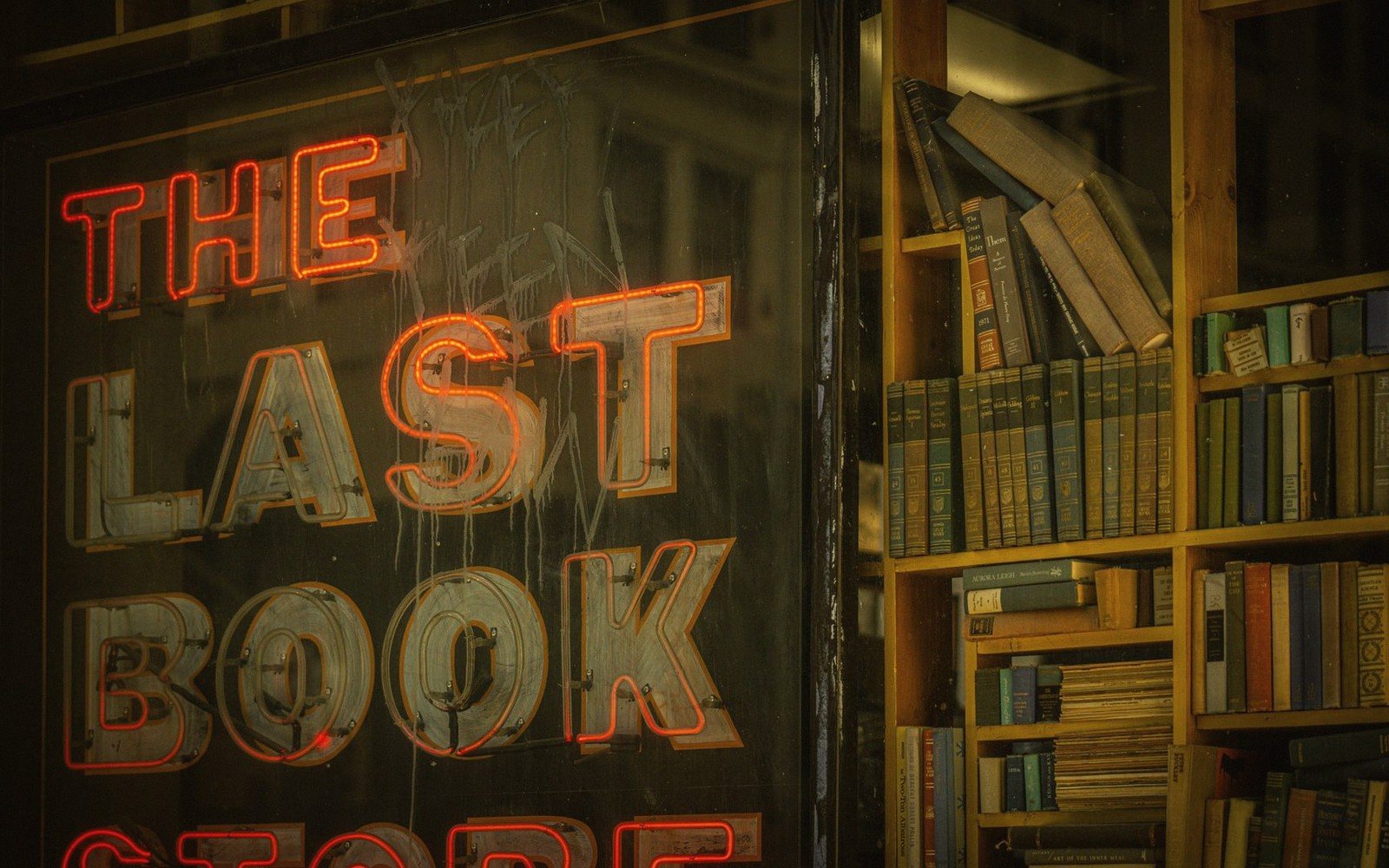
The difference between a good bookshop and a great one isn't the stock — it's everything else.
Beyond the Books on the Shelves
Walk into a merely good bookshop and you'll find books arranged by genre, a few bestsellers face-out near the door, maybe a small café at the back. Walk into a great one and you'll feel it before you've read a single spine. Something in the air — the particular slant of light through a dusty window, the handwritten card tucked beside an obscure paperback, the bookseller who looks up from behind the till and says, "Were you the one asking about Hilary Mantel last week?" — tells you this place is alive in a different way.
The difference between a good bookshop and a great one isn't the stock — it's everything else.
So what, precisely, separates the good from the great? It's a question worth pulling apart, because the answer matters. Independent bookshops survive on loyalty, and loyalty is earned in very specific ways.
Curation: the Art of Saying No
The first mark of a great indie is its willingness to curate ruthlessly. Any shop can order whatever is on the charts. The great ones decide what they believe in and build a room around that conviction. Their shelves hold Umberto Eco alongside debut novelists from small presses; a faded Penguin Classics paperback of Charlotte Brontë sits next to a first-edition-feeling hardback of something published last month that nobody's heard of yet but everyone will.
This is harder than it sounds. Curation means saying no to easy stock, no to the kind of safe mid-list filler that sells quietly and bores everyone. It means the buyer — often the owner, often running on not enough sleep — has actually read widely enough to make genuine, idiosyncratic choices. When you pick up a book because a shelf-talker told you it was unmissable, and that book turns out to be exactly right for you, you're experiencing curation at its best. You're trusting a human, not an algorithm.
Great curators will push a reader toward a Richard Powers novel they wouldn't have reached for themselves, or press a copy of Pachinko into your hands because they read it in three days and haven't stopped thinking about it since. The four-generation sweep of Min Jin Lee's novel is exactly the kind of discovery a well-read bookseller can give you that no homepage recommendation engine ever will.
Character: the Room Itself
Curation gets you through the door. Character makes you stay. The physical personality of a great indie bookshop — the shelving that seems to have evolved organically rather than been planned, the dog-eared notices, the reading-group flyers pinned slightly crookedly, the eclectic section signage written in at least two different hands — communicates something that a chain store's identical fittings cannot. It says: real people work here and have been working here for a long time.
Character is also expressed in what sits alongside the books. The reading journal on the counter with a handwritten recommendation from whoever opened up that morning. The event poster for a local author who won't be on any bestseller list. The single armchair in the corner that technically belongs to no one but always seems occupied. These are not decorative choices; they're a philosophy. A great indie bookshop believes the experience of books extends beyond the object itself — into conversation, into community, into the sensation of being surrounded by people who love reading as much as you do.
The People Behind the Till
None of this matters without the right people. Staff are the living curation of a great indie — and the hardest ingredient to replicate. A bookseller who genuinely reads, who holds opinions, who can say "I didn't love it, but I know you will" or "it's slow for the first fifty pages but stay with it" — that person is worth more to a shop than any window display. They are the shop's voice, its reputation, its reason customers come back.
The best booksellers are interested in you in a specific way: not intrusive, not pushy, but attentive. They remember what you bought last time. They notice when you're hovering between two books and offer the third option you hadn't considered. They know that someone who loved Kurt Vonnegut might take a while to trust that J.D. Salinger is worth the argument, and they know exactly what to say to bridge that gap. This is a craft, and it's one that only flourishes in an environment where the shop itself has enough confidence — in its curation, in its character — to give staff room to exercise it.
The Sum of It
Put it all together and what you have is something that sounds simple and is actually very hard: a space that feels like it was built by readers, for readers, with no interest in being anything else. The stock is opinionated, the room has personality, and the people behind the till know what they're talking about. Great indie bookshops don't try to be everything; they try to be exactly themselves. That specificity — that refusal to be neutral — is precisely why we love them, and precisely why they're worth going out of your way to find.
The writers
Hilary Mantel
Author
British author, Wolf Hall Booker Prize-winner, the Wolf Hall trilogy
Umberto Eco
Author
Italian novelist and semiotician; The Name of the Rose
Charlotte Brontë
Author
Victorian novelist; Jane Eyre
Richard Powers
Author
American novelist; The Overstory, Pulitzer Prize winner