Bookshop Culture: Shelf-Talkers & Cats
The small rituals that make an indie bookshop feel like home — and why the recommendation beats the algorithm.
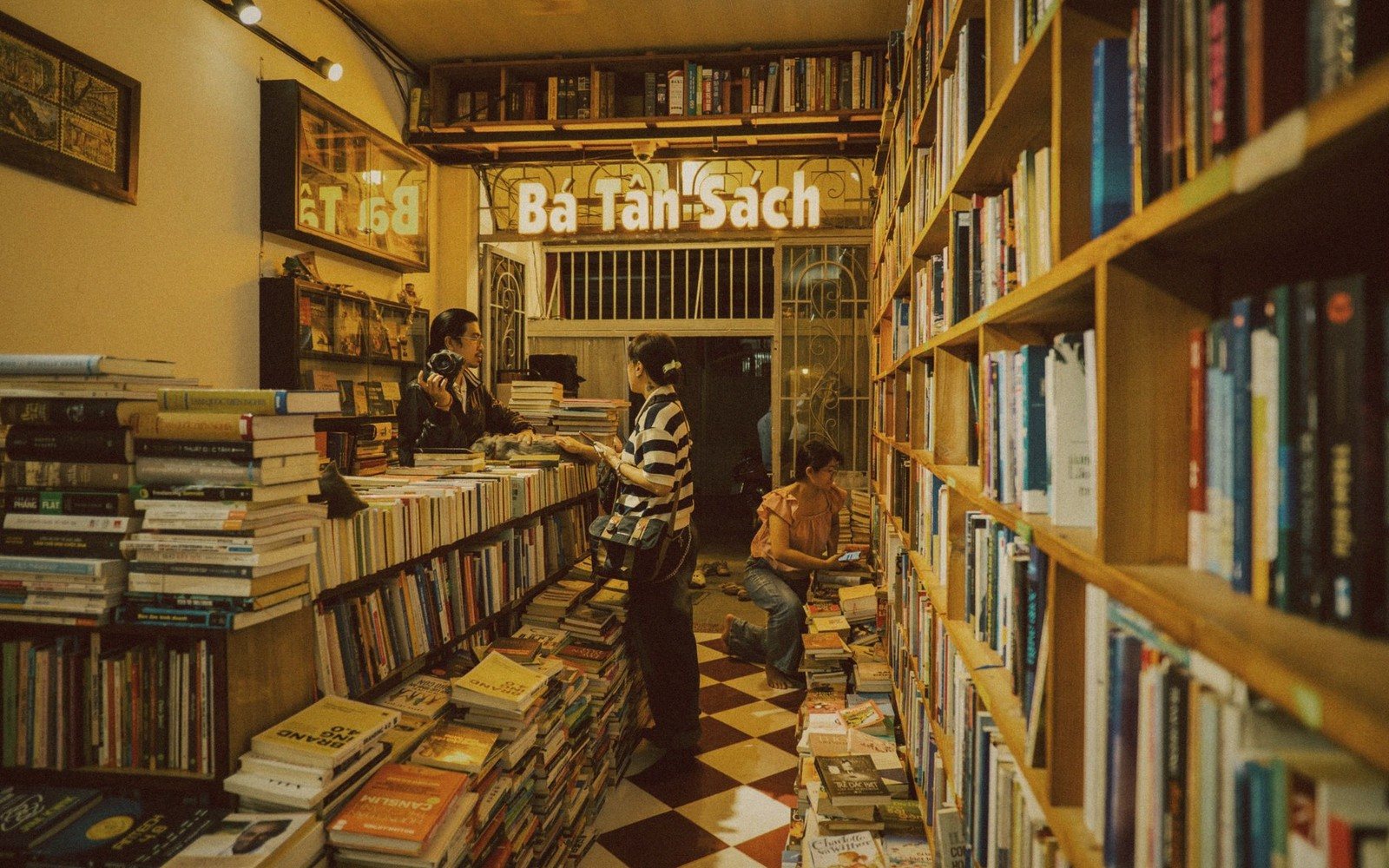
The small rituals that make an indie bookshop feel like home — and why the recommendation beats the algorithm.
Why the Algorithm Can't Compete
There's a handwritten card in almost every good indie bookshop — tucked beneath a paperback, scrawled in a bookseller's looping script, explaining exactly why this book matters to this person. A shelf-talker. It costs nothing to print and everything to fake, and no recommendation engine has cracked it yet.
The small rituals that make an indie bookshop feel like home — and why the recommendation beats the algorithm.
The algorithm knows what you've already read. The bookseller knows what you need next. That's not a small distinction. When a human being has dog-eared the pages, stayed up past midnight, and then chosen to write four sentences about why a novel broke them open — that energy transfers. You feel it in the card. You pick up the book.
The Rituals That Make a Room
Indie bookshops are built from small things done consistently. The cat asleep in the window — not a marketing decision, just a cat. The shelf organised by colour in one corner and by staff obsession in another. The reading copy of something extraordinary left on the counter with a sticky note: Ask us about this one.
These rituals matter because they signal: someone here is paying attention. Chain stores can stock the same titles, sometimes more of them. What they can't replicate is the texture of a room that has been curated by people who genuinely, slightly desperately, love books. The mismatched armchair. The local author section that knows its town. The remainder table that somehow turns up the exact thing you didn't know you wanted.
There's also the trust that builds slowly. You mention you loved Pachinko and the bookseller pulls three titles you've never heard of. One of them changes your reading year. That loop — reader to bookseller to book to reader — is relationship, not transaction. It's also deeply hard to disrupt, which is why the best indie shops outlast every wave of disruption that was supposed to finish them off.
Worth Protecting
None of this is automatic. Good shelf culture comes from booksellers who are paid fairly enough to stay long enough to become the person who knowswhat you'll love next. It comes from shoppers who walk in even when ordering online is easier. The handwritten card on the shelf doesn't appear by magic — someone wrote it on their lunch break because they couldn't help themselves.
That's the thing worth protecting. Not nostalgia for creaky floors, though the creaky floors are excellent. The real thing is the human being on the other side of the recommendation, who read the book and wants you to read it too.
The writers
indie bookshop
Author
independent, independently owned bookshop, distinct from chain retailers