The Fiction Shelf: Where to Start
Literary fiction can feel like a members' club — a warm, unsnobbish way in, and the novels to begin with.
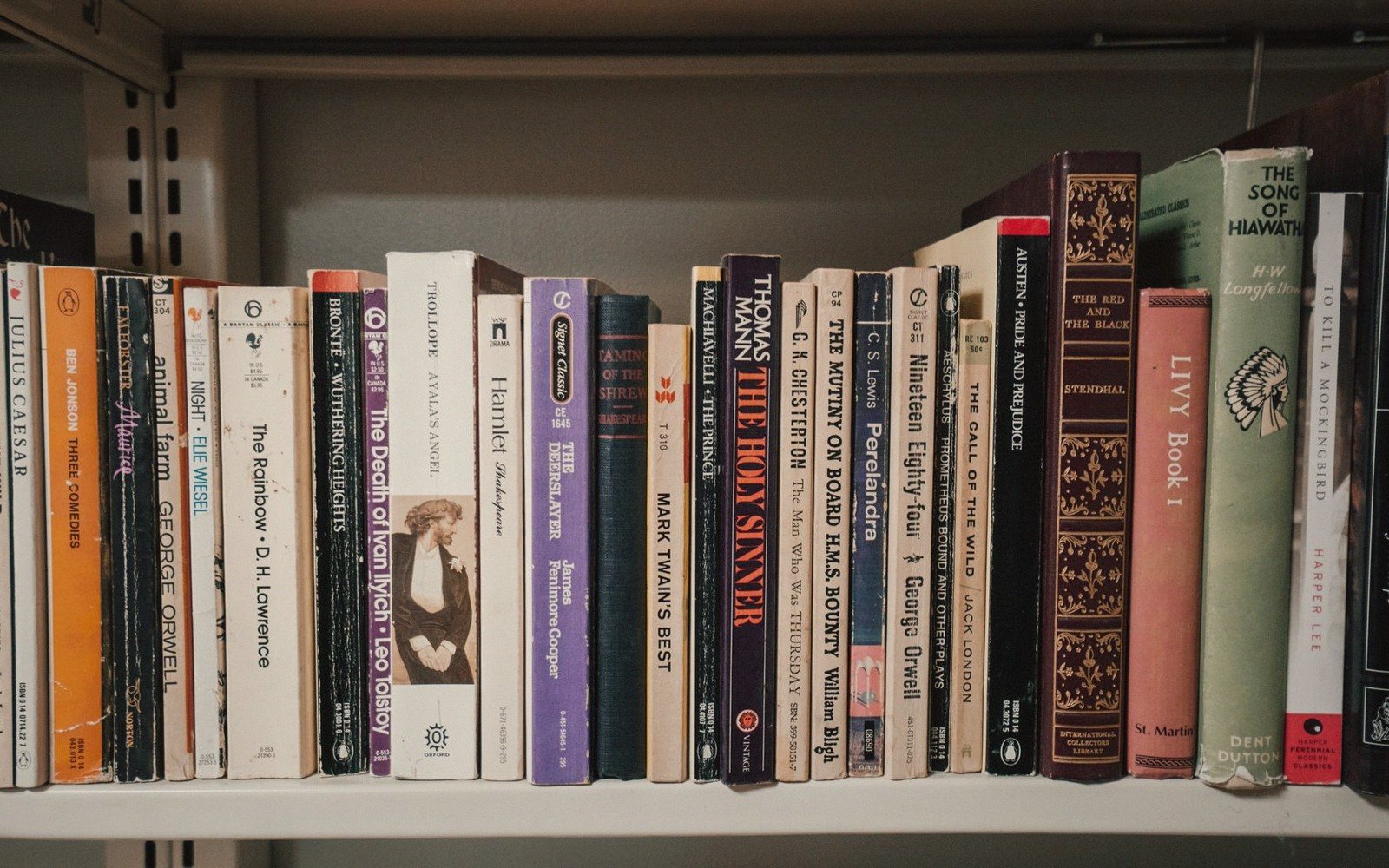
Literary fiction has a reputation for being difficult. It isn't — it's just waiting for the right way in.
The Club Nobody Actually Locked
Walk into any bookshop and the "Literary Fiction" table can feel like a challenge. The covers are tasteful and muted. The blurbs mention luminous prose and searing portraits of the human condition. It sounds, frankly, like homework. But literary fiction is not a test you pass or fail — it's simply fiction that cares as much about how it's written as what happens in it. The plot is still there. The characters still pull you in. The only difference is that the language itself is doing something worth noticing, and once you tune in to that, it becomes one of the great pleasures of reading.
Literary fiction has a reputation for being difficult.
The best entry point is not the most celebrated book on the shelf — it's the one that matches how you already like to read. Some readers want a sweeping story with dozens of characters and centuries of history. Others want to spend three hundred pages inside a single consciousness. Literary fiction does both, and everything between. The trick is matching the book to the reader, not the other way around.
Five Books That Open the Door
A tale with genuine plot. If you are someone who needs story — and there is absolutely nothing wrong with that — Pachinko by Min Jin Lee is the place to start. It follows a Korean family across four generations, and the narrative momentum never lets up. Lee writes with tremendous warmth and without sentimentality, and the historical sweep gives the novel the satisfying weight of something genuinely earned.
A myth retold as a character study. Madeline Miller's Circe is one of the most approachable literary novels of recent years. The premise — a minor goddess from Greek mythology finally gets the full story — sounds niche, but the execution is intimate and gripping. Miller writes the inner life of her protagonist with such precision that the ancient world never feels remote. Readers who think they don't like literary fiction frequently discover, mid-page, that they have been wrong.
A puzzle-box that rewards patience. Susanna Clarke's Piranesi is a short, strange, completely absorbing novel about a man living in a house of infinite halls and statues and tides. Clarke controls information with extraordinary precision, and the experience of reading it — gradually understanding what you are inside — is unlike almost anything else. It is also, beneath its strangeness, a quietly emotional story about identity and memory.
A doorstop that earns every page. For readers ready to commit, Hanya Yanagihara's A Little Life is one of the most intensely felt novels published in recent decades. It is not an easy read — it is harrowing in places — but its four central friendships are rendered with such specificity and love that readers routinely describe a particular kind of grief when they finish it. If you want to know what literary fiction can do at full stretch, this is the answer.
A classic that still moves. Toni Morrison's Beloved is on every canonical list for a reason, and that reason is the prose: dense, rhythmic, impossible to skim. It is a novel about memory and loss and the weight of history, and Morrison earns every difficult passage. If you have been meaning to read it for years and haven't quite started, now is the right time. Start slowly, give it fifty pages, and you will not want to stop.
A Few Things Worth Knowing
Literary fiction and "difficult" are not synonyms. Beloved is demanding; Circe reads almost like a thriller. Both belong to the same shelf. The category is wider than its reputation suggests, and once you have read a handful, you start to develop your own instinct — this writer's sentences have a particular rhythm, that writer builds tension through accumulation rather than event. That instinct, once developed, is one of reading's more reliable pleasures.
It is also worth knowing that you do not have to finish every book you start. Literary fiction sometimes asks for a particular mood, and if a novel is not landing, setting it aside and returning later is not defeat — it is good reading practice. Hilary Mantel's Wolf Hall, Richard Powers' The Overstory, Umberto Eco's The Name of the Rose: these are books that certain readers try twice before they click, and then cannot imagine not having read.
Finally: do not let anyone tell you what should be on your literary fiction shelf. The category exists to expand what you think fiction can do, not to replace everything you already love. Read it alongside your crime novels and your science fiction and your comfort re-reads. Keep it in conversation with the rest of your reading life, and it will quietly change how you read everything else.
The door was never locked. It was just waiting for you to push.
The writers
Min Jin Lee
Author
novelist, author of Pachinko
Madeline Miller
Author
novelist, author of Circe
Susanna Clarke
Author
novelist, author of Piranesi
Hanya Yanagihara
Author
novelist, author of A Little Life